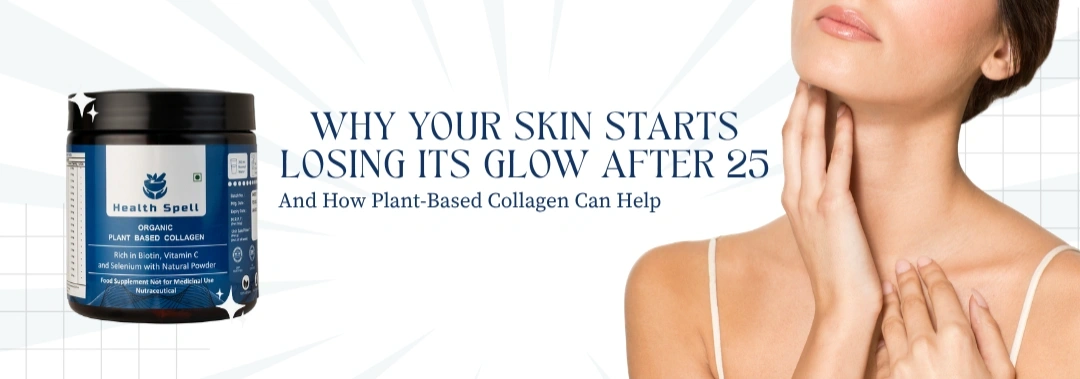
Why Your Skin Starts Losing Its Glow After 25, And How Plant-Based Collagen Can Help
Have you looked in the mirror lately and noticed your skin looking a little less... you? A little duller than before. Fine lines showing up where they didn't used to be. Skin that feels dry no matter how much water you drink. You are not imagining it. And no, it is not just stress or lack of sleep.

What is quietly happening beneath your skin is something that begins for most of us in our mid-twenties: collagen loss. It is gradual, it is natural, and it is responsible for much of what we call "aging." The good news? Once you understand it, you can do something about it, starting from the inside out.
In this article, we will walk you through everything you need to know about collagen, why it declines, and how a plant-based collagen booster can help your body rebuild what it gradually loses.
When Does Collagen Start to Decline?
Here is the part that surprises most people: collagen production begins to slow down as early as your mid-to-late twenties.
By the time you turn 30, your body is producing roughly 1% less collagen every single year. That might not sound like much, but it adds up fast. By your mid-30s, you have already lost a noticeable amount of your skin's structural support.
For women, this process is even more significant. Research shows that women have lower collagen density than men to begin with, which is one reason why signs of aging tend to appear earlier for women. And when hormonal shifts begin, during perimenopause or menopause, collagen loss can accelerate dramatically, with some studies suggesting a decrease of around 2% per year in skin collagen during the first years after menopause.

5 Signs You May Be Losing Collagen
Your body will often show you early signs before things become more obvious. Watch out for:
Fine lines and wrinkles appear earlier than expected As collagen fibers weaken and become disorganized, the skin loses its structural support, leading to the first visible lines, especially around the eyes and mouth.
Skin that feels dry or rough Collagen decline often happens alongside a drop in hyaluronic acid, the molecule that keeps skin hydrated and supple. Less collagen means less plumpness.
A dull, flat complexion Healthy collagen gives skin a natural luminosity. When the dermal structure weakens, even well-moisturized skin can look flat and tired.
Slower recovery from breakouts or skin irritation Collagen plays a key role in skin repair. If small blemishes are taking longer to heal, or your skin has become more reactive, declining collagen support may be part of the reason.
Weaker nails and thinning hair Collagen provides structural support to hair follicles and nail beds too. Brittle nails and hair that breaks more easily can both signal that your body's collagen reserves are running low.
What Makes Collagen Decline Faster?
Age is not the only factor. Several everyday habits and environmental exposures can significantly speed up collagen breakdown:
Sun exposure: UV radiation is one of the biggest external drivers of collagen damage. Dermatologists estimate that up to 80–90% of visible skin aging is caused by cumulative sun exposure over time
High sugar intake: Sugar molecules can attach to collagen proteins in a process called glycation, making the fibers stiff and unable to repair themselves.
Chronic stress: Elevated cortisol, the stress hormone, is known to break down collagen faster than the body can replace it.
Poor sleep: Your skin does much of its repair work while you sleep. Cutting this short means less time for collagen rebuilding.
Smoking: Cigarette smoke directly damages both collagen and elastin while restricting blood flow that supports collagen synthesis.
Pollution: Environmental pollutants trigger inflammation, which in turn activates enzymes that degrade collagen.
Can You Boost Collagen Naturally?
Yes, and this is where it gets interesting.
While you cannot completely stop the natural decline of collagen (no one can), you absolutely can support your body's ability to produce more of it. The key is giving your body the right raw materials.
Your body builds collagen from specific amino acids, primarily glycine, proline, and hydroxyproline. But it cannot do this without a critical co-factor: Vitamin C. Without Vitamin C, your body literally cannot synthesize collagen. It is not optional; it is essential.
Beyond Vitamin C, other nutrients play important supporting roles:
Silica (found in high concentration in bamboo extract) acts almost like a molecular glue in collagen structure, strengthening connective tissue in the skin, hair, and nails.
Zinc and copper support the enzymes involved in collagen formation.
Biotin helps maintain healthy keratin and elastin, the proteins that work alongside collagen to keep your skin firm and elastic.
Antioxidants (from plants like amla, pomegranate, and green tea) protect existing collagen from being broken down by oxidative stress and environmental damage.
This is exactly why a well-formulated, plant-based collagen booster can make a real difference, not by adding collagen directly, but by giving your body everything it needs to build and protect its own.
What Is a Plant-Based Collagen Booster? Is It Different from Animal Collagen?
This is a question many people have, and it is a fair one.
Traditional collagen supplements are derived from animals, usually fish scales, bovine hide, or bone broth. Your digestive system breaks down these supplements into amino acids, which your body then uses to make its own collagen.
A plant-based collagen booster takes a different approach. Instead of supplying animal-derived collagen, it provides your body with the exact vitamins, minerals, amino acids, and antioxidants it needs to produce collagen naturally. Since your body breaks down animal collagen into amino acids anyway before using it, the end result of what your cells work with is quite similar, you are just cutting out the animal middleman.
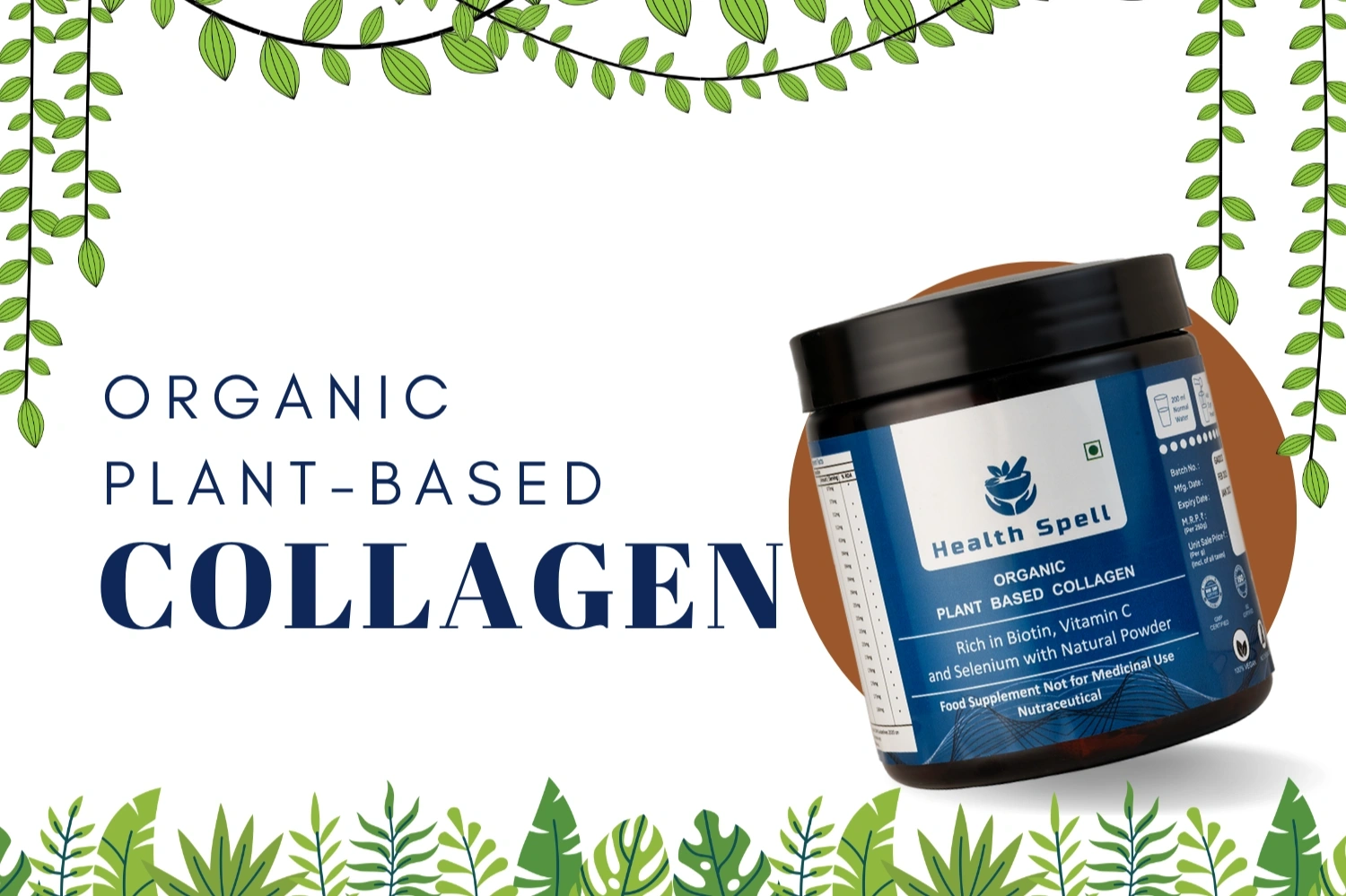
Plant-based collagen boosters offer a few additional advantages:
They are 100% vegan and cruelty-free
They often contain a broader range of collagen co-nutrients (like silica, biotin, and antioxidants) that animal collagen powders lack
They tend to be gentler on digestion
They are more sustainable from an environmental standpoint
Most people who take a plant-based collagen booster consistently report noticeable improvements in skin hydration and smoothness within 6 to 12 weeks, with earlier changes in skin moisture sometimes visible within the first few weeks.
Introducing: Health Spell Nepal's Plant-Based Collagen, Glow from Within
If you are looking for a clean, effective, and entirely plant-based option here in Nepal, Health Spell Nepal's Plant-Based Collagen was made with exactly this purpose in mind.
This is not a marketing formula with a long list of fillers. It is a thoughtfully crafted daily supplement that targets your skin, hair, nails, and joints, from the inside out.
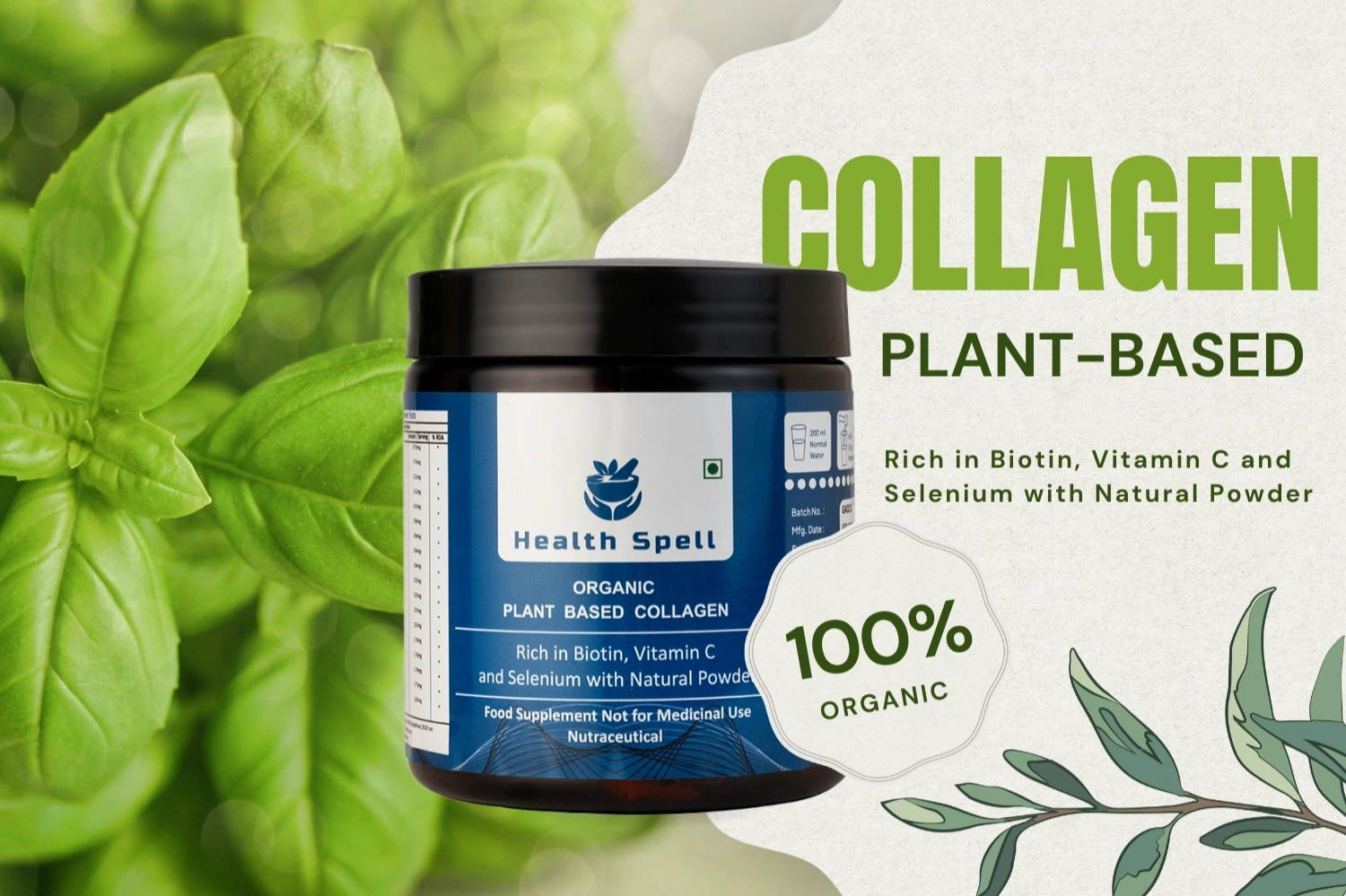
What makes it stand out:
Supports a natural, hydrated glow, by nourishing your skin at the cellular level, not just on the surface
Strengthens nails and promotes healthier hair, thanks to the collagen co-nutrients your follicles and nail beds need
Supports joint comfort and mobility, collagen is not just about skin; your joints need it too
100% plant-based and cruelty-free, no animal derivatives, no compromise
Simple daily ritual, just mix 1 scoop in 200 ml water and enjoy it every day
It is especially designed for people who are 25 and above and want to take a proactive, gentle, and natural approach to skin and wellness, rather than waiting for problems to show up and then trying to reverse them.
👉Try Health Spell Nepal's Plant-Based Collagen here
How Long Before You See Results?
This is the most common question, and the honest answer is: consistency is everything.
Most people notice that their skin feels more hydrated and smoother within the first 4–6 weeks. More visible improvements in skin elasticity, hair strength, and nail quality typically develop over 8 to 12 weeks of daily use.
Think of it like watering a plant. You will not see it grow overnight. But with daily care and the right nutrients, the change becomes undeniable over time.

Simple Daily Habits to Pair with Your Plant-Based Collagen
A collagen supplement works best when it is part of a broader approach to skin health. Here are a few simple habits that will amplify your results:
Wear sunscreen daily, even in Kathmandu, UV exposure adds up. This is the single most impactful thing you can do to prevent collagen breakdown.
Stay hydrated, drink enough water throughout the day. Dehydrated skin magnifies fine lines and dullness
Eat collagen-friendly foods, citrus fruits, berries, leafy greens, and nuts all support collagen synthesis.
Get adequate sleep, aim for 7–8 hours. Your skin rebuilds collagen during deep sleep.
Manage stress, high cortisol directly accelerates collagen breakdown. Even 10 minutes of daily movement or mindfulness helps.
Reduce refined sugar, sugary foods trigger glycation, which stiffens and damages collagen fibers.
Frequently Asked Questions
Glowing, healthy skin is not just about what you put on your face. It is about what you give your body from the inside.
Collagen loss is natural and inevitable, but how fast it happens, and how your skin responds to it, is significantly shaped by your choices. The right nutrition, daily habits, and a quality plant-based collagen supplement can make a real, visible difference in how your skin ages.
You deserve to feel confident in your skin, at 25, at 35, and beyond.
Start your journey with Health Spell Nepal's Plant-Based Collagen today
Disclaimer: Health Spell Nepal products are dietary supplements intended to support overall well-being. They are not designed to diagnose, treat, cure, or prevent any medical condition. Individual results may vary. Consult a qualified healthcare professional before starting any new supplement routine.