
Why Your Legs Cramp at Night, And How Magni-Strength Can Finally Fix It
Have you ever been fast asleep and suddenly jolted awake by a sharp, stabbing pain in your calf? Your muscle tightens like a fist, and no matter how hard you try to stretch it out, the pain just won't let go for what feels like forever.

If this sounds familiar, you are not alone. Leg cramps, especially nighttime leg cramps, are one of the most common complaints among adults in Nepal. Workers who stand all day, people who sit at desks for long hours, pregnant women, older adults, and even young athletes all experience them regularly.
The frustrating part? Most people just live with it. They stretch, they rub the muscle, they wait for it to pass, and then they worry about when it will happen again. But here is the truth that many people in Nepal do not know: frequent leg cramps are often a sign that your body is running low on magnesium. And fixing that one thing can make a dramatic difference.
In this blog, we will explain why leg cramps happen, how magnesium helps stop them, what type of magnesium actually works, and how Magni-Strength by Health Spell Nepal is designed to solve exactly this problem for you.

What Are Leg Cramps, Really?
A leg cramp is a sudden, involuntary contraction of a muscle, usually in the calf, foot, or thigh. It happens without warning, lasts anywhere from a few seconds to a few painful minutes, and often leaves the muscle sore for hours afterward. These cramps are not just annoying. They disturb your sleep, affect your next day's energy, and over time, they make you dread going to bed.
Common Reasons Leg Cramps Happen
There is no single cause for leg cramps, but these are the most common ones:
Mineral deficiency, Your muscles need certain minerals to contract and relax properly. When magnesium, potassium, or calcium levels fall too low, muscle coordination breaks down and cramps start happening.
Dehydration, Not drinking enough water affects how your muscles function. This is especially common in the summer heat of Kathmandu or after heavy physical work.
Poor blood circulation, When blood flow to the legs is restricted, often from sitting or standing in one position too long, muscles do not get enough oxygen and they cramp up as a warning signal.
Muscle overuse and fatigue, long walks, heavy labour, trekking, or intense workouts can exhaust your leg muscles to the point where cramping begins.
Pregnancy, hormonal changes and the increased demand for minerals during pregnancy make leg cramps extremely common, especially in the second and third trimesters.
Certain medicines, Some medications, particularly diuretics (water pills) used for blood pressure, deplete the body of magnesium and trigger cramps as a side effect.
Age-related muscle changes, As we get older, our muscles become less flexible and our ability to absorb key minerals from food decreases, making cramps more frequent.
The Connection Between Magnesium and Leg Cramps
Of all the minerals linked to leg cramps, magnesium is arguably the most important, and the most commonly deficient in people who eat modern diets.
Here is why magnesium is so critical for your muscles:
Magnesium Controls Muscle Relaxation
Think of your muscles like a door hinge. Calcium is what makes the muscle contract (the door closes), and magnesium is what makes the muscle relax (the door opens). When magnesium levels are low, the muscle cannot fully relax after contracting. It stays partially tight, and under the right conditions, lying still at night, for example, it seizes up completely into a cramp.
Without enough magnesium, your muscles are always just one step away from cramping.
Magnesium Balances Your Electrolytes
Magnesium does not work alone. It works alongside calcium, potassium, and sodium, the team of electrolytes that keeps your muscles and nerves communicating properly. Magnesium is the team manager. When it is low, the whole system gets confused. Muscle contractions happen at the wrong time, in the wrong way, causing those painful spasms.
Magnesium Improves Circulation
One of magnesium's lesser-known roles is keeping your blood vessels relaxed and open. When blood can flow freely through your leg muscles, they receive a steady supply of oxygen and nutrients. Poor circulation, made worse by low magnesium, is a direct trigger for cramping, especially in the lower legs.
Magnesium Fights Muscle Fatigue
Your muscles run on energy, and magnesium is essential for producing that energy at the cellular level. When you are deficient, your muscles run out of fuel faster. They get fatigued quickly, and fatigued muscles cramp far more easily. This is why people who work physically demanding jobs or exercise regularly are often more prone to cramps, they use up their magnesium stores faster.
Magnesium Calms Overactive Nerves
Sometimes the real problem is not the muscle itself, but the nerve telling the muscle to contract. When magnesium is low, nerves become overstimulated. They fire too often and too intensely, causing the muscle to contract involuntarily. Magnesium acts like a natural nerve-calmer, reducing that overactivity and preventing the random muscle firings that lead to cramps.
Magnesium Reduces Inflammation
Chronic low-grade inflammation makes muscles tighter, more reactive, and more prone to cramping. Magnesium has natural anti-inflammatory properties that help soothe muscle tissue, reduce tension, and lower the risk of painful spasms.
Magnesium Supports Recovery After Exercise
After physical activity, your muscles need to repair tiny tears in the muscle fibres. Magnesium supports protein synthesis, the process your body uses to rebuild muscle tissue. Without it, recovery is slower, soreness lasts longer, and the next workout (or even the next day of normal activity) puts you right back in cramp territory.
How Much Magnesium Do You Actually Need?
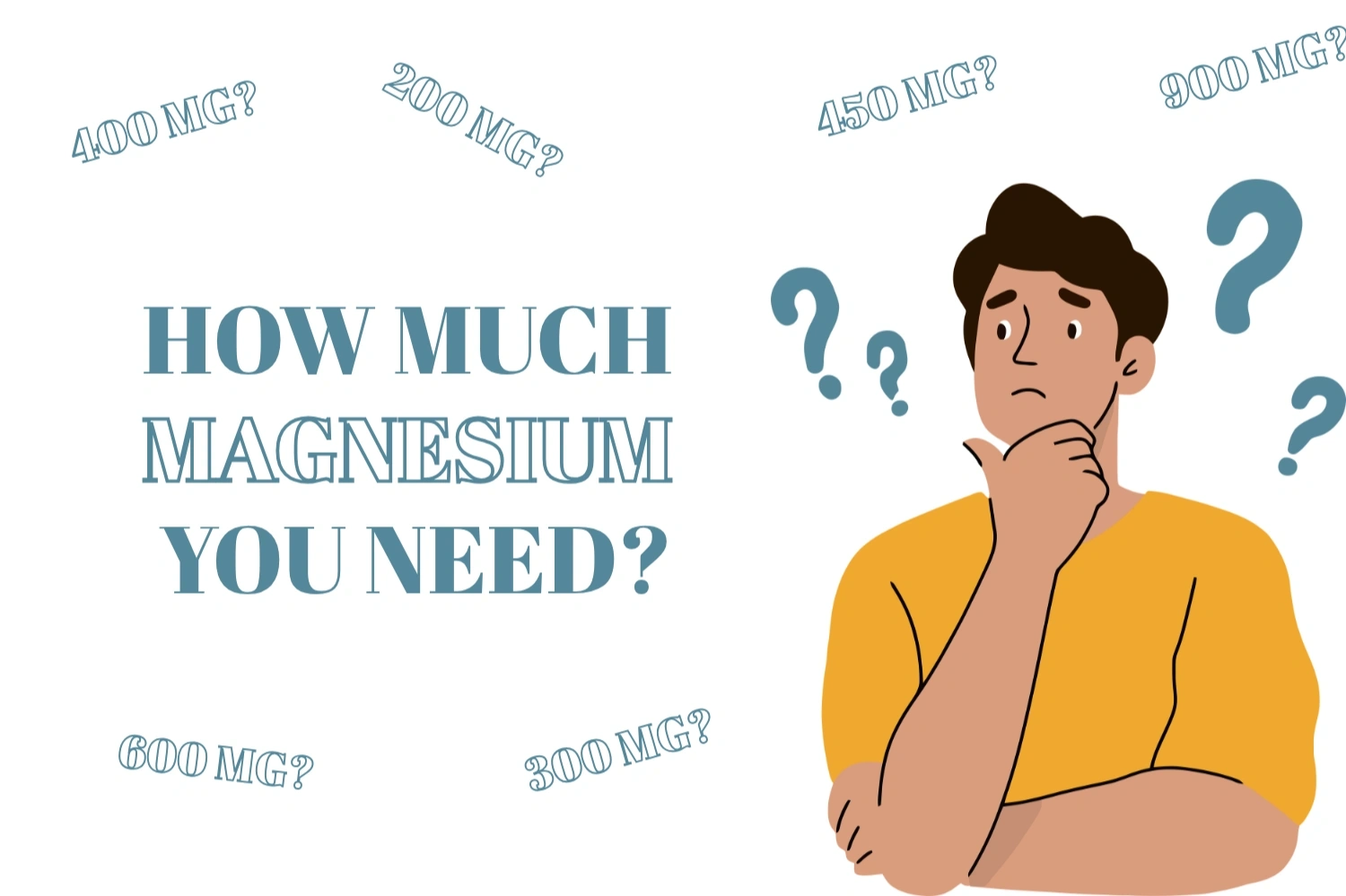
The recommended daily intake for magnesium is around 310 to 420 mg for adults, depending on age and gender. However, studies consistently show that a large portion of the population does not reach this target through diet alone. Modern food processing strips magnesium from many staple foods. Refined flour, polished white rice, and processed snacks, foods that make up a big part of many Nepali diets, have very little magnesium left in them. Even whole foods like vegetables and legumes may have lower magnesium content than in the past, due to changes in soil quality. The result? A slow, quiet magnesium deficiency that does not announce itself loudly, it just shows up as cramps, poor sleep, stress, and muscle tension.
What Kind of Magnesium Actually Works?
This is where most people go wrong. They buy the cheapest magnesium supplement they can find, take it for a week, and either see no results or end up with an upset stomach. Then they give up and conclude that magnesium does not work for them.
The truth is that not all forms of magnesium are the same. The form matters enormously.
Magnesium oxide, The most common and cheapest form. Unfortunately, it has very poor absorption. Your body only uses a small fraction of it, and the rest irritates the digestive system.
Magnesium citrate, Better absorbed than oxide and works well, but has a laxative effect that many people find uncomfortable with regular use.
Magnesium bisglycinate (also called glycinate), This is considered the gold standard for muscle and sleep support. In this form, magnesium is bound to glycine, an amino acid. This pairing dramatically improves how much magnesium actually gets into your cells, rather than just passing through. It is also the gentlest form on the digestive system, with no laxative effect.
Glycine itself adds to the benefit, it has a calming effect on the nervous system, which is why magnesium bisglycinate is particularly effective for people who get cramps at night and also struggle with sleep or restlessness
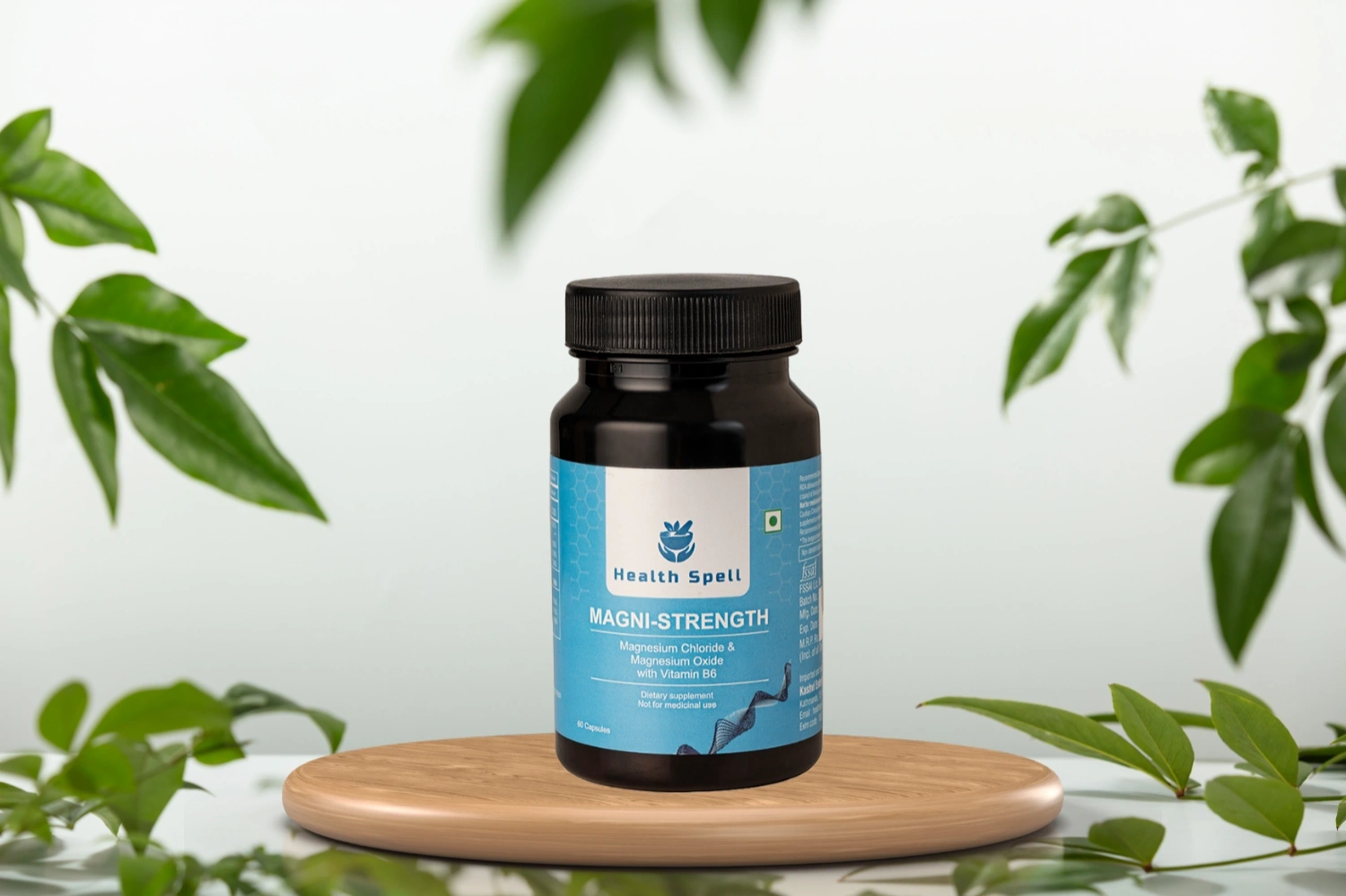
Introducing Magni-Strength by Health Spell Nepal
If you have been looking for a magnesium supplement that actually works, one that is properly formulated, easy on your stomach, and designed for real results, Magni-Strength from Health Spell Nepal is exactly that. Magni-Strength is not just another magnesium capsule. It is a thoughtfully created formula built around the goal of giving your body what it genuinely needs to relax, recover, and rest.

What Magni-Strength Does for You
Stops leg cramps and muscle tightness, By restoring magnesium levels in your muscles, Magni-Strength helps your legs relax properly, reducing both the frequency and intensity of cramps, including the ones that wake you up at night.
Supports deep, restful sleep, Magnesium is one of the most powerful natural sleep supporters available. It calms the nervous system, reduces cortisol (the stress hormone), and prepares your body for genuine rest. Many people report sleeping more deeply and waking up more refreshed within days of starting Magni-Strength.
Eases daily stress and anxiety, Stress depletes magnesium, and low magnesium makes stress worse. It is a vicious cycle. Magni-Strength breaks that cycle by keeping your magnesium levels stable, which supports a calmer mood and better mental balance throughout the day.
Supports heart health, Magnesium plays an important role in keeping your heart rhythm steady and your blood pressure in a healthy range. Magni-Strength provides this cardiovascular support as part of its daily benefits.
Gentle on digestion, Unlike cheaper magnesium supplements that cause stomach upset or loose stools, Magni-Strength is designed to be gentle and comfortable to take every day.
How to Use Magni-Strength
Take 2 capsules before bed. For people with low blood pressure, use on alternate nights as directed on the packaging. Taking it before bed is intentional, this is when your body does its deepest repair work, and having magnesium available during this window helps prevent nighttime cramps and supports the deep sleep your body needs to recover.


Who Should Consider Magni-Strength?
Magni-Strength is a good fit for you if:
You regularly wake up with leg cramps or calf pain at night
You feel muscle tightness or soreness after walking, standing, or exercising
You struggle to fall asleep or your sleep feels light and unrefreshing
You feel easily stressed, anxious, or mentally drained
You experience frequent headaches or migraines
Your blood pressure is a concern and you want natural daily support
You are pregnant or recently postpartum (please consult your doctor first)
You take medications that may be lowering your magnesium
When Will You Notice a Difference?
Most people begin noticing changes within the first week of consistent use. Sleep quality often improves first. Muscle tightness begins to ease. Nighttime cramps become less frequent.
For some people, especially those with more significant magnesium deficiency, the full benefit builds over two to four weeks of regular use as the body's magnesium stores are gradually replenished.
The key is consistency. Magnesium is not a one-time fix. It is a daily nutritional need, just like water. When you give your body a reliable supply, it can maintain the balance it needs to keep your muscles working smoothly.

Practical Tips to Get the Most Out of Your Magnesium
Taking Magni-Strength is the most important step, but these habits will support your results even further:
Stay well hydrated, Drink enough water throughout the day, especially if you are physically active or spending time in the heat. Dehydration and magnesium deficiency together create ideal conditions for cramps.
Stretch before bed, A gentle five-minute stretch routine for the calves, hamstrings, and feet before sleeping can significantly reduce nighttime cramp frequency.
Eat magnesium-supportive foods, Dark leafy greens like spinach and methi, nuts and seeds, black beans, bananas, and whole grains all contain magnesium. These are not a substitute for a supplement if you are already deficient, but they support your overall levels
Reduce excess caffeine and alcohol, Both interfere with how well your body absorbs and retains magnesium. Cutting back, even slightly, can make a meaningful difference.
Move regularly, Gentle daily movement, walks, yoga, light stretching, helps circulation in the legs and reduces the pooling of blood that contributes to cramping.
Frequently Asked Questions
Final Thoughts
Leg cramps are not something you have to just accept as a part of life. They are your body's way of telling you something is missing, and most of the time, that missing thing is magnesium.
The right form of magnesium, taken consistently, can calm your muscles, restore your sleep, ease your stress, and give you back the comfortable nights and energetic days you deserve.
Magni-Strength by Health Spell Nepal is formulated to do exactly that, with a form of magnesium that your body can actually use, in a dose that is both effective and gentle.
If you are tired of waking up in pain or spending your days with tight, tense muscles, give your body what it has been asking for.
👉Try Magni-Strength Today, Available at Health Spell Nepal
Disclaimer: Health Spell Nepal products are dietary supplements intended to support overall well-being. They are not intended to diagnose, treat, cure, or prevent any medical condition. Individual results may vary. Please consult a qualified healthcare professional before starting any new supplement routine, especially during pregnancy or if you have an existing health condition.