How to Detox Your Liver Naturally: A Complete Guide for Better Energy, Digestion & Clarity
Your liver never gets a day off. Every single day, it filters your blood, breaks down the food you eat, processes the medicines you take, and clears out the hormones your body no longer needs. It does all of this quietly, behind the scenes, with zero complaints, until one day, it simply can't keep up.
The signs that follow are easy to brush off at first. You feel tired even after sleeping 8 hours. Your stomach bloats after most meals. Your skin looks dull. Your mind feels foggy by noon. These are not random inconveniences. They are your body politely asking for help.
This guide will show you exactly how to support your liver through food, habits, and the right supplementation so your body's natural filter can get back to doing its job well.
What Does the Liver Actually Do?
Before we talk about detoxing it, let us understand why the liver matters so much. The liver performs over 500 functions. Some of the most important ones include:
Filtering toxins from the blood before they reach the rest of the body
Producing bile, which your body needs to digest fats
Breaking down medications, alcohol, and environmental chemicals
Processing hormones like estrogen, cortisol, and testosterone
Storing vitamins and minerals for later use
The liver cleans your blood in two stages, called Phase I and Phase II detoxification.
In Phase I, liver enzymes break toxins apart. This process actually creates intermediate by-products that can be temporarily more harmful than the original toxin itself.
In Phase II, the liver packages those broken-down toxins and attaches them to special carrier molecules, which escort them out of the body through urine or bile.
Here is the important part: Phase II runs on nutrients sulfur, amino acids, and B vitamins. Without enough of these, the process slows down, and toxins start to pile up inside the body.

7 Signs Your Liver Is Overloaded
Most people do not know their liver is struggling until the symptoms become impossible to ignore. Here are the most common signs to watch for:
Constant fatigue that sleep does not fix. The liver helps regulate blood sugar and thyroid hormones. When it is overburdened, fuel production drops and sleep stops being restorative.
Bloating and heaviness after meals. Without enough bile, your body cannot digest fats properly. This results in that uncomfortable, heavy, gassy feeling after eating even simple meals.
Dull or yellowing skin. When the liver cannot process bilirubin fast enough, it builds up in the bloodstream and shows up as a yellowish tint on the skin or in the whites of the eyes.
Brain fog and poor focus. The liver clears ammonia from the blood. When this slows down, even mild ammonia buildup interferes with how clearly you think and how stable your mood is.
Hormonal imbalance. A backed-up liver means estrogen, cortisol, and other hormones stay in circulation longer than they should. In women, this can intensify PMS symptoms. In men, it can shift the testosterone-to-estrogen balance.
Unexplained weight gain around the belly. When the liver cannot efficiently process fat or regulate insulin, the body starts storing more fat around the abdomen.
Skin that itches without a visible rash This is a lesser-known sign. When bile flow is sluggish, bile salts can accumulate under the skin, causing persistent itching.
How to Detox Your Liver Naturally
The good news is that the liver is one of the most resilient organs in the human body. It can regenerate, repair, and recover but it needs the right support to do so. Here is what actually works.
Step 1: Remove What Is Hurting It
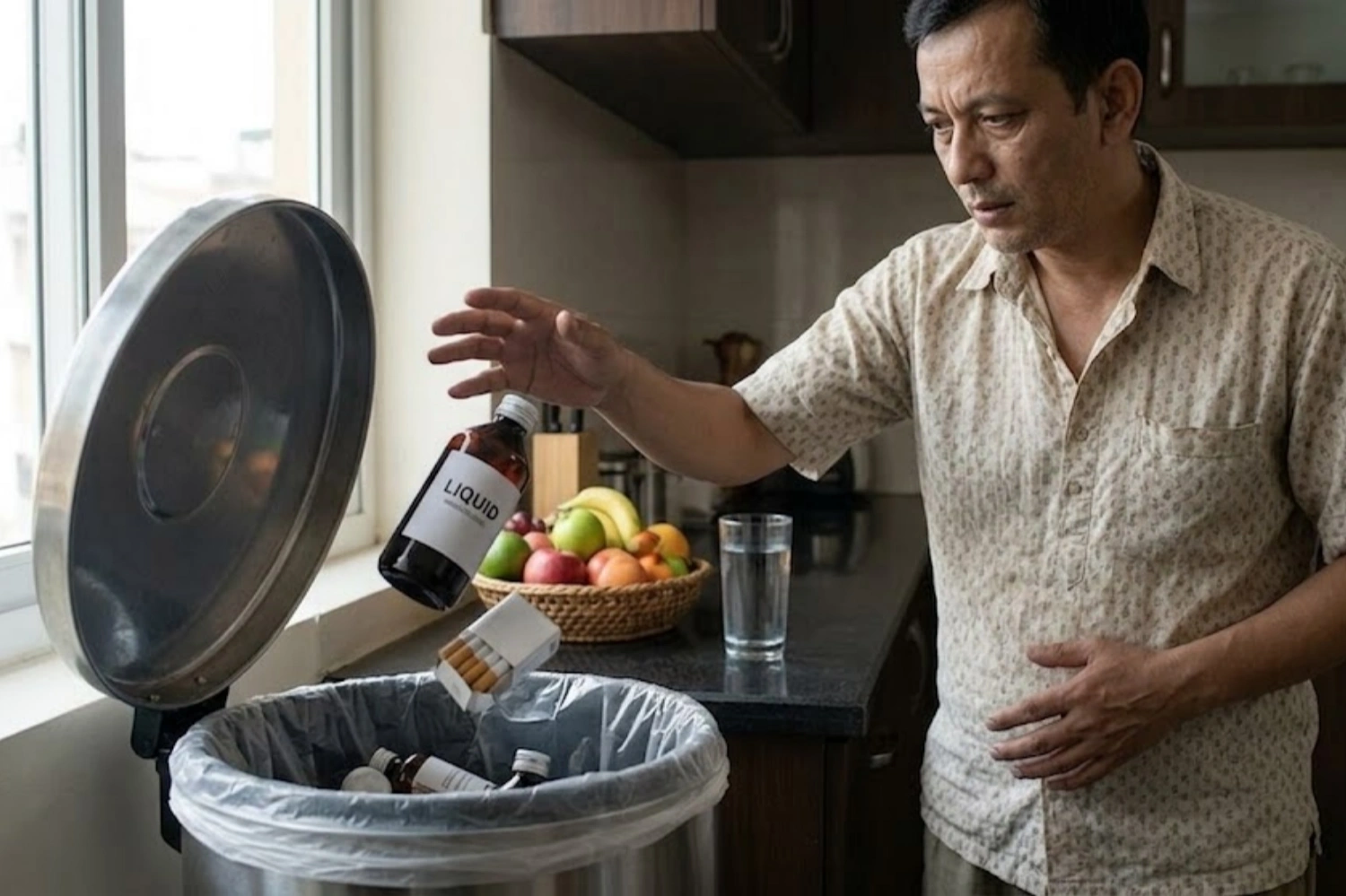
You cannot clean a glass while still pouring mud into it. The first step in any effective liver reset is reducing the incoming load:
Alcohol the liver prioritizes breaking down alcohol above everything else. Even moderate consumption slows its other functions
Processed and packaged foods filled with artificial preservatives, colorings, and additives that the liver must process.
Added sugars and refined carbohydrates particularly fructose (found in sugary drinks and packaged snacks), which is metabolized almost entirely in the liver and can directly lead to fat buildup
Fried foods oxidized oils from frying create compounds that increase liver inflammation.
Unnecessary medications speak to your doctor, but minimizing non-essential over-the-counter medications reduces the liver's processing burden.

Step 2: Eat Foods That Support Liver Function
Certain foods have strong scientific backing for liver health. These are the ones worth including regularly:
Beets help reduce liver inflammation, protect liver cells from oxidative damage, and stimulate bile flow. Eat them roasted, raw, or juiced.
Leafy greens like spinach, kale, and dandelion leaves have high chlorophyll content, which helps neutralize heavy metals and chemical toxins before they even reach the liver.
Cruciferous vegetables broccoli, cauliflower, and Brussels sprouts contain natural compounds called glucosinolates that directly activate the Phase II detox enzymes the liver depends on.
Garlic provides sulfur compounds that the liver needs for Phase II processing. One to two fresh cloves per day makes a meaningful difference.
Walnuts are rich in glutathione and L-arginine, both critical for Phase II conjugation, the step where toxins get packaged and removed.
Lemon and citrus fruits support glutathione production and activate liver enzymes through compounds found in the peel.
Avocado contains healthy monounsaturated fats and compounds that research has shown help reduce oxidative stress and inflammation in liver tissue.
Step 3: Drink the Right Things
What you drink during a liver reset matters just as much as what you eat.
Warm lemon water in the morning stimulates bile production, provides Vitamin C for glutathione synthesis, and is one of the easiest habits to maintain long term.
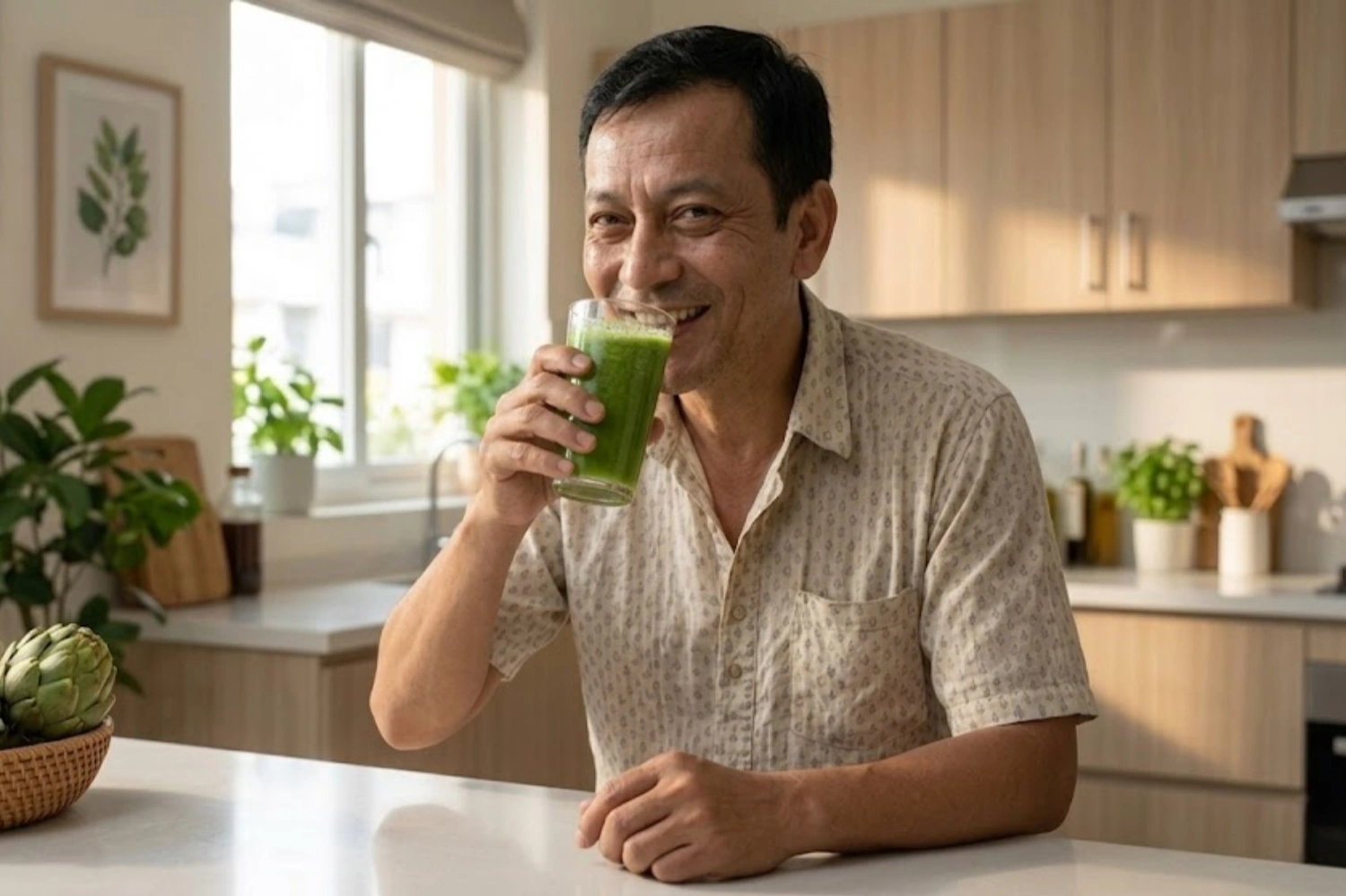
Beet and ginger juice combine the anti-inflammatory betalains in beets with the gingerols in ginger. Add cucumber and lemon for a powerful morning detox drink.
Turmeric tea with a pinch of black pepper dramatically increases curcumin absorption and helps reduce liver inflammation. Without black pepper, most of the curcumin passes through the body without being absorbed.
Dandelion root tea directly stimulates bile secretion and supports the regeneration of liver cells. Best had before dinner.
Green tea contains catechins, antioxidants that research has linked to improved liver enzyme levels and reduced fat accumulation in the liver.
The simplest rule: drink 2.5 to 3 liters of water daily. Hydration keeps bile thin and flowing, which is essential for the liver to do its job
Daily Habits That Make a Real Difference
Diet is the foundation, but habits matter just as much.
Sleep 7 to 9 hours. The liver's peak detoxification activity happens between midnight and 3 AM. If you are awake or sleeping poorly during this window, you are missing the body's most productive detox hours. Research has found that people who consistently sleep less than 6 hours per night are significantly more likely to develop fatty liver disease, independent of diet or body weight.
Move your body daily. A 30 to 45 minute walk or light cycling improves blood flow to the liver, helps mobilize liver fat, and reduces inflammation. You do not need intense workouts; consistency matters more than intensity.
Manage stress actively. Chronic stress raises cortisol, and cortisol depletes glutathione, the liver's primary antioxidant defense. Even 10 to 15 minutes of deep breathing, meditation, or light yoga each day has measurable effects on cortisol over time.
Reduce your toxic load at home. Switching to natural cleaning products, choosing cosmetics without synthetic fragrances or parabens, and airing out your home regularly all reduce the number of chemicals your liver needs to process each day. Small changes, real cumulative effect.
Limit screen time before bed. Blue light from screens disrupts melatonin production, and poor melatonin directly impairs the quality of nighttime liver detoxification. Try switching off screens at least 30 minutes before bed.
Supplements That Support Liver Health
Whole foods are the foundation. Supplements fill the gaps that food alone cannot cover especially if your liver has been under long-term stress from processed food, alcohol, or heavy toxin exposure.
Here are the most evidence-supported options:
Milk Thistle (Silymarin) is the most researched liver supplement available anywhere. It reduces liver inflammation, protects liver cells from damage, and actively supports their regeneration. Multiple clinical studies confirm it lowers liver enzyme levels (ALT and AST) — elevated enzymes being a key marker of liver stress. It is safe for long-term use and its benefits continue as long as supplementation continues.
N-Acetyl Cysteine (NAC) is the building block your body uses to produce glutathione — the liver's most essential self-cleaning compound. It is so effective that hospitals use it as the standard treatment for acetaminophen overdose. In clinical research involving participants with non-alcoholic fatty liver disease, NAC supplementation over several months led to measurable reductions in liver enzyme levels and improved markers of liver health.
Beetroot Extract supports bile production, reduces inflammation, and provides the antioxidant betalains that protect liver cells from oxidative damage. It also supports healthy blood flow through the liver.
Dandelion Root Extract stimulates bile production, supports liver cell regeneration, and helps the body clear waste products more efficiently. It works well before meals.
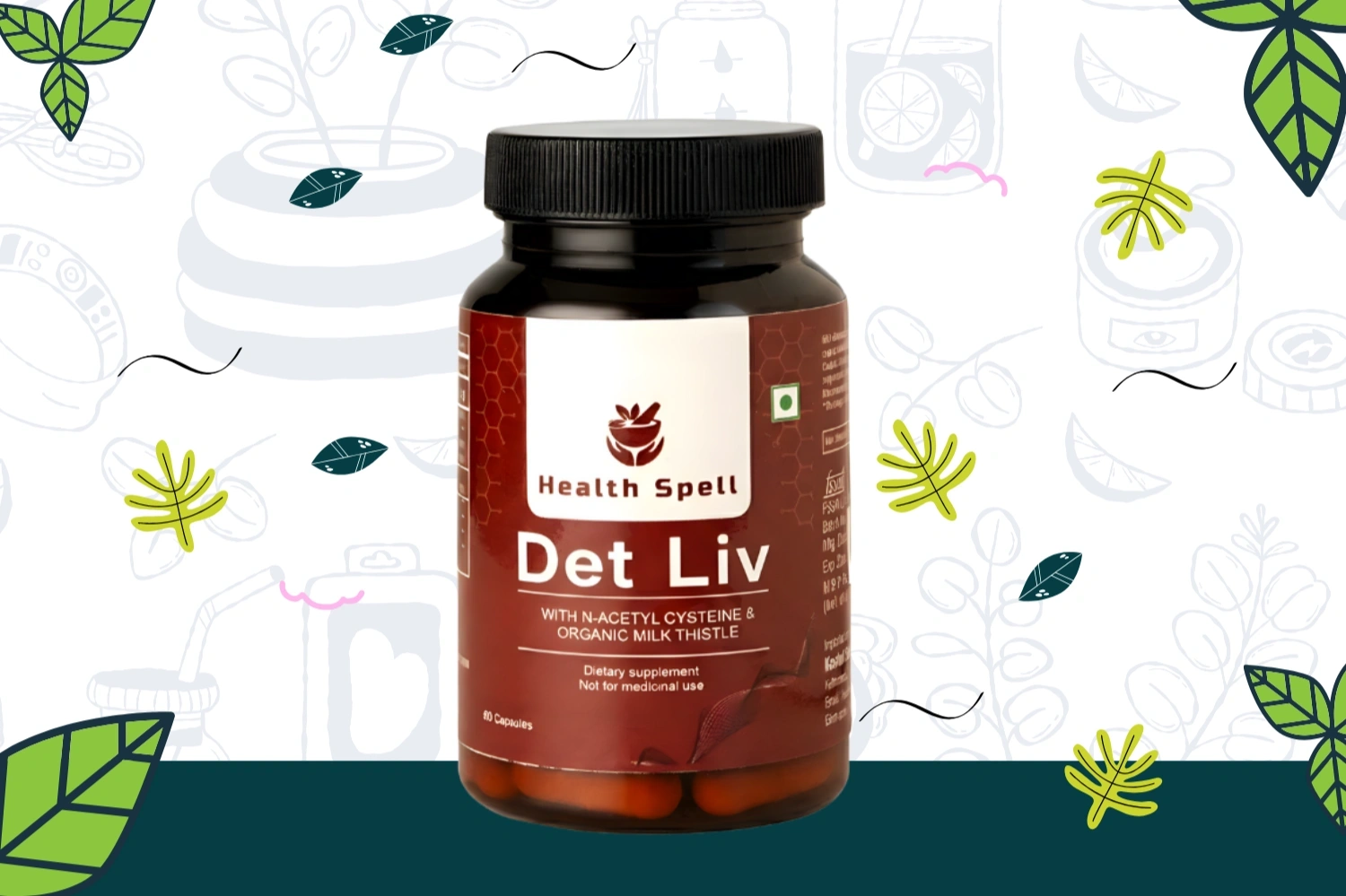
Introducing Det Liv by Health Spell Nepal
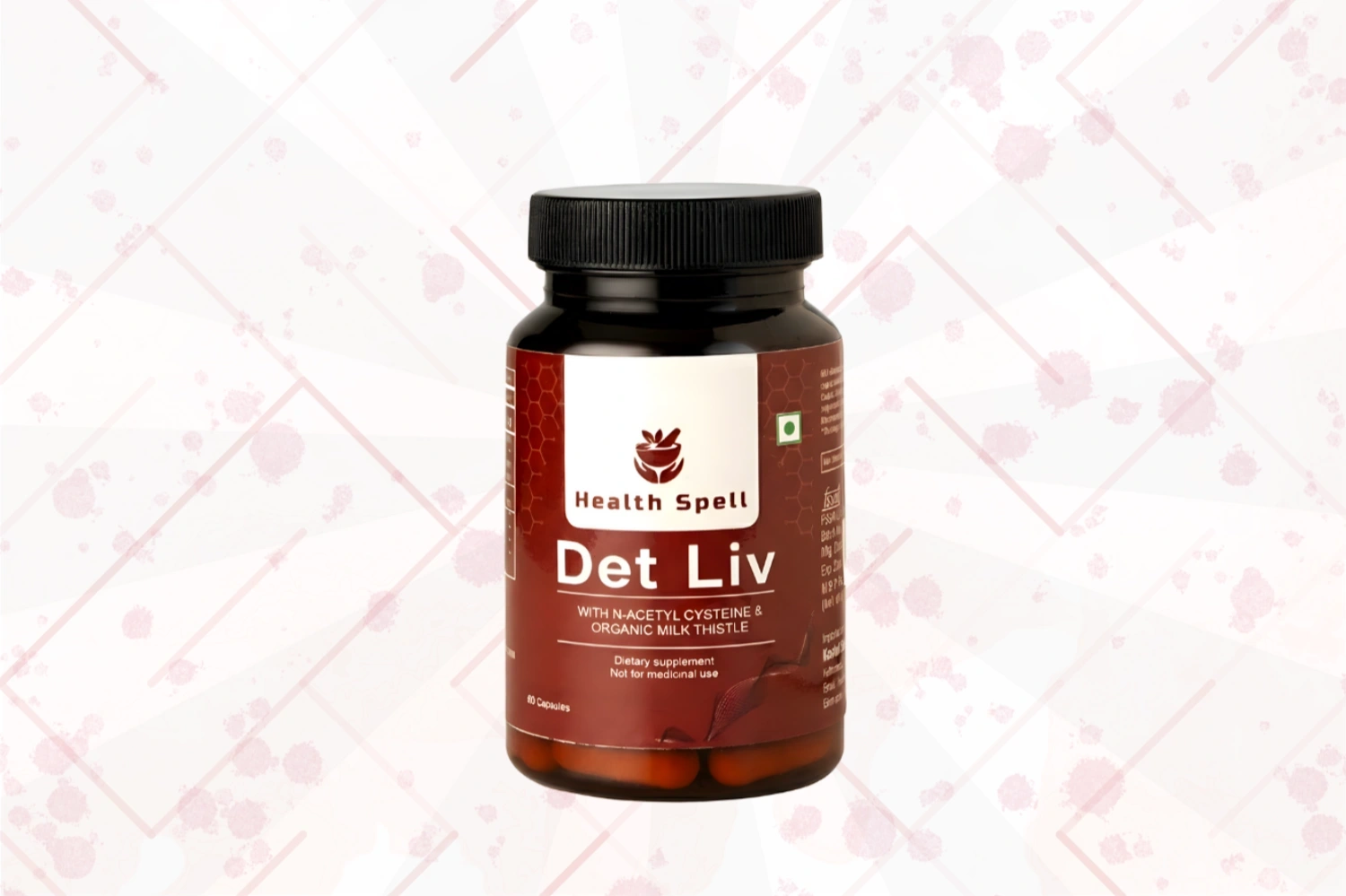
If you are looking for a clean, convenient way to give your liver meaningful daily support, Det Liv is Health Spell Nepal's liver supplement formulated specifically with the ingredients that matter most. Det Liv combines Milk Thistle, NAC, Beetroot, and Dandelion into a single daily supplement, without synthetic fillers or unnecessary additives. These are the exact four ingredients that clinical research consistently backs for liver health:
Milk Thistle protects and regenerates liver cells
NAC boosts glutathione, the liver's primary defense compound
Beetroot improves bile flow and reduces oxidative stress
Dandelion stimulates bile production and supports liver cell renewal
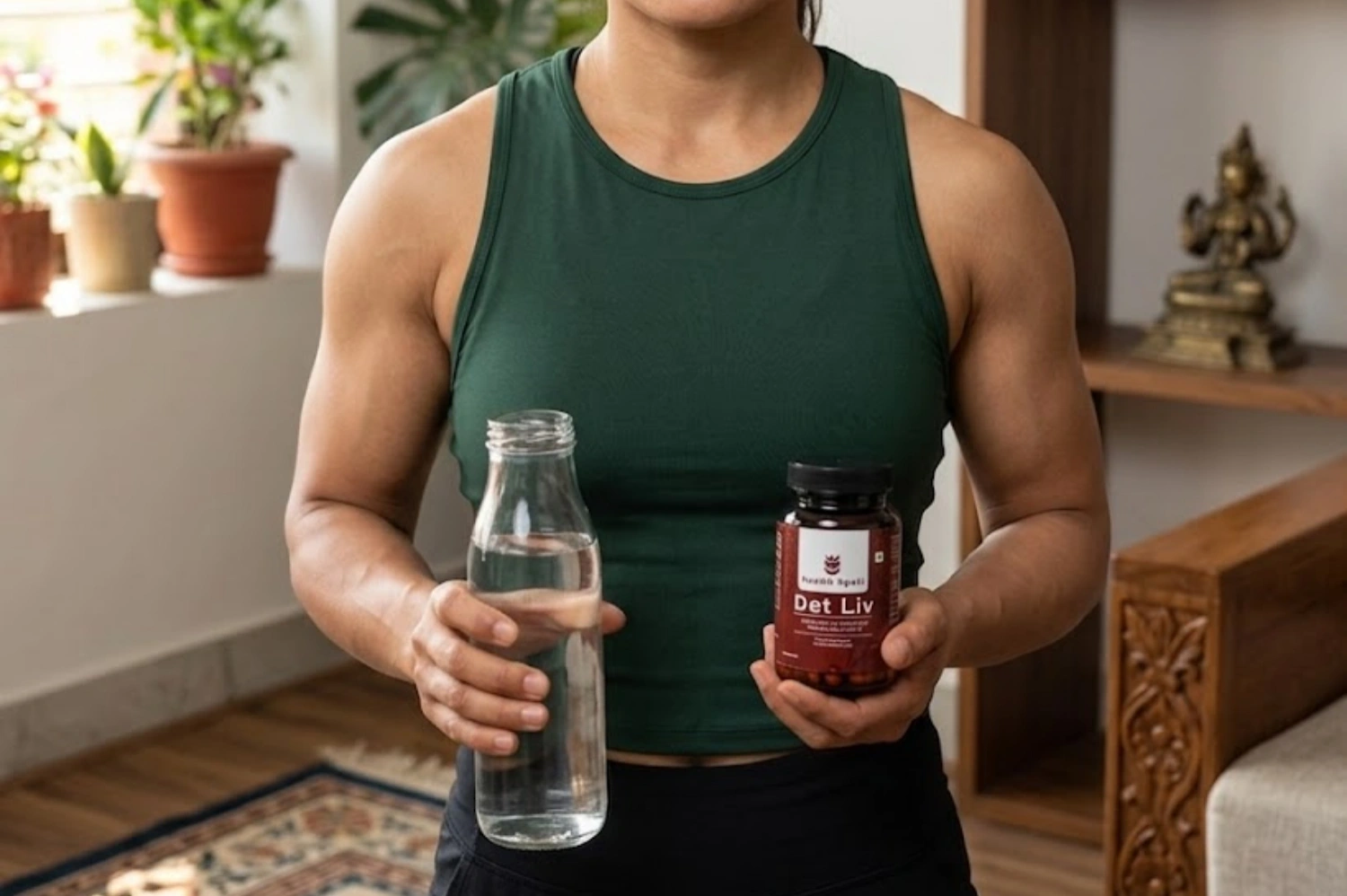
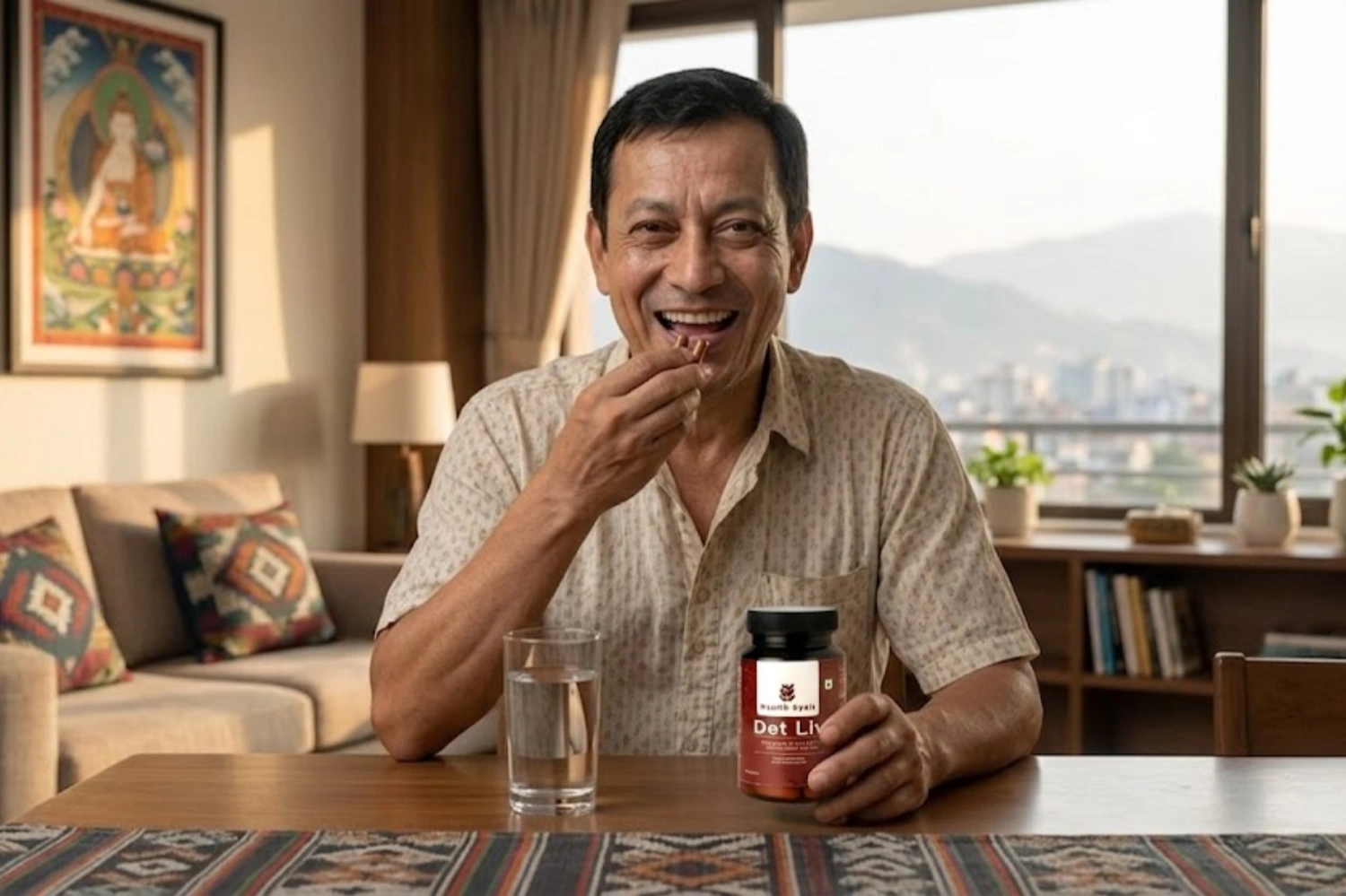
How to use: Take 1 capsule after breakfast and 1 capsule after lunch 2 capsules per day. For best results, use regularly for 3 months.
Det Liv is priced at NPR 2,400 and is available directly through Health Spell Nepal's website.
What to Expect When You Start Supporting Your Liver
Changes do not happen overnight, but they happen faster than most people expect.
Within the first few days of eating cleaner and reducing alcohol and sugar, many people notice improved sleep, less morning puffiness, and reduced bloating after meals.
By the end of the first week, energy levels often begin to lift noticeably. Mental clarity sharpens. Digestion becomes more regular and comfortable.
Over weeks two through four, the deeper improvements become clearer, better skin, more stable mood, more consistent energy throughout the day, and a noticeably flatter abdomen as liver-related fluid retention resolves.
For those using liver supplements consistently, research suggests that measurable improvements in liver enzyme levels can be seen within 8 to 12 weeks.
The most important thing to understand: a liver reset is a starting point, not a finish line. The habits you build during a detox period are what create lasting change.
Common Myths About Liver Detox, Set Straight
Myth: The liver detoxes itself. It does not need any help.
The liver is indeed a self-repairing organ. But in a world full of processed food, environmental chemicals, alcohol, and chronic stress, it frequently runs at or beyond full capacity. Targeted nutritional support helps it keep up with a modern toxic load.
Myth: Detox is just a marketing word with no science behind it.
Liver detoxification Phase I and Phase II is a well-documented, peer-reviewed biological process. Supporting it with specific nutrients is backed by published research, not marketing language.
Myth: Three days is not enough time to see any real change.
Research published in scientific journals shows that measurable changes in liver enzyme activity can occur within 3 to 7 days of meaningful dietary change. Three focused days of clean eating, proper hydration, and targeted supplementation produce real, noticeable results for most people.
Maintaining Liver Health for the Long Term
A focused reset produces a real change. But the habits that follow it determine whether that change sticks. Here is what to keep doing after your initial detox period:
Keeping cruciferous vegetables in your regular meals three to five servings per week maintains the Phase II enzyme activation that makes the liver more efficient.
Continue Milk Thistle supplementation the research supports long-term use and its hepatoprotective effects continue as long as you take it.
Limit added sugars on an ongoing basis particularly fructose from sodas, juices, and packaged sweets. Reducing these alone can produce visible liver fat reduction within four weeks.
Keeping alcohol to safe levels the liver processes roughly one standard drink per hour. Giving it two or more alcohol-free days per week makes a meaningful difference.
Do a seasonal reset: a focused 3 to 7 day period of clean eating and targeted supplementation two to three times per year prevents the gradual accumulation of liver burden that eventually becomes symptomatic.
Frequently Asked Questions
Your liver works every single hour of every single day. It processes everything that you eat, what you drink, what you breathe, and what you feel. It does not complain. It does not send obvious warnings. It just gradually slows down until the weight of years of bad habits starts to show up as fatigue, bloating, fog, and stubborn weight.
The good news is that with the right foods, the right habits, and the right supplementation, the liver responds quickly. It is not a dramatic transformation. It is a quiet, steady return to feeling like yourself again clearer, lighter, more energetic.
Det Liv by Health Spell Nepal is built around the four ingredients that clinical research consistently supports for liver health. Clean ingredients. No fillers. Made for people who want real, grounded support for their body's most essential filter.
Start simple. Drink more water. Add a few more vegetables. Reduce the alcohol and the junk. And let Det Liv do its part supporting your liver's natural ability to repair, renew, and keep you well.
👉 Get Det Liv from Health Spell Nepal — NPR 2,400
Disclaimer: Health Spell Nepal products are dietary supplements intended to support overall well-being. They are not intended to diagnose, treat, cure, or prevent any medical condition. Individual results may vary. Please consult a qualified healthcare professional before starting any new supplement routine, especially if you are pregnant, breastfeeding, or managing a medical condition.
References:
National Library of Medicine — Biochemistry, Biotransformation: https://www.ncbi.nlm.nih.gov/books/NBK11896/
National Library of Medicine — NAC and Liver Function: https://pmc.ncbi.nlm.nih.gov/articles/PMC3270338/
National Library of Medicine — Sleep and Non-Alcoholic Fatty Liver Disease: https://pmc.ncbi.nlm.nih.gov/articles/PMC5644852/
National Library of Medicine — Cruciferous Vegetables and Phase II Enzymes: https://pubmed.ncbi.nlm.nih.gov/11446830/
Archives Ouvertes — Liver Detoxification Pathways: https://hal.archives-ouvertes.fr/hal-00599834/document
National Library of Medicine — Avocado and Liver Health:https://pubmed.ncbi.nlm.nih.gov/36601051/