Most people only think about their liver when something goes seriously wrong.
But here is the truth: the liver rarely gives you a dramatic warning. It sends quiet signals first. Signals that are easy to blame on a busy schedule, poor sleep, or simply "getting older." And because those signals feel so ordinary, most people ignore them for months, sometimes years.
That persistent tiredness. The bloating after every meal. The skin that looks dull no matter what you apply. The brain fog that sets in every afternoon. These are not random. They could be your liver asking for help. In this blog, we break down the 10 most common signs that your liver is under stress, why they happen, what causes liver overload, and exactly what you can do through food, habits, and smart supplementation to help your liver recover.
What Does the Liver Do, Exactly?
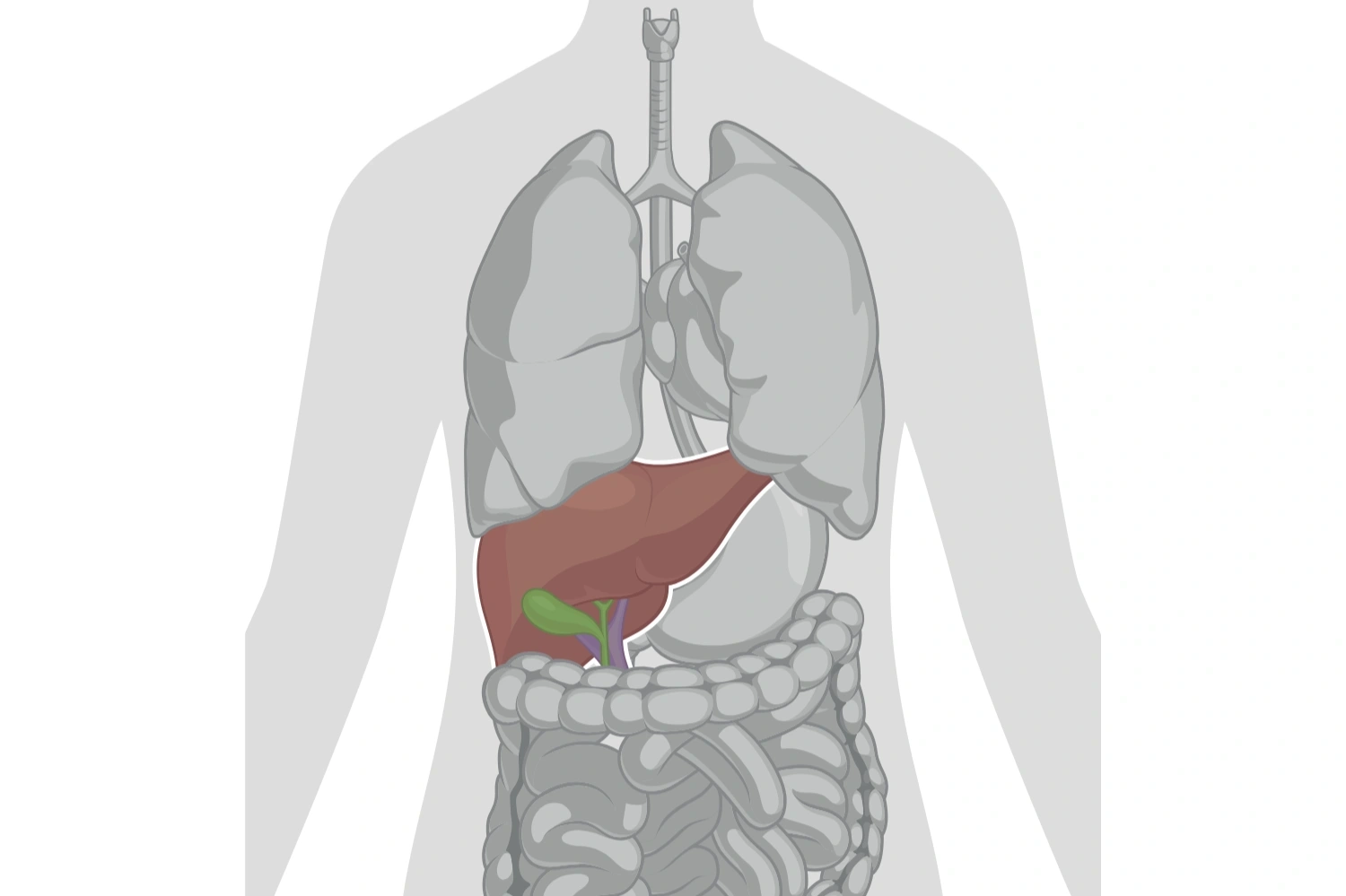
Before we get into the warning signs, it helps to understand why the liver matters so much. The liver is one of the largest and hardest-working organs in your body. Research published in APL Bioengineering confirms that the liver manages over 500 separate functions every single day. Some of the most important include:
Filtering the blood removing toxins, bacteria, and harmful chemicals before they circulate through the body
Producing bile a digestive fluid essential for breaking down and absorbing fats
Processing everything you consume food, alcohol, medications, and environmental chemicals all pass through the liver
Regulating hormones including estrogen, cortisol, and testosterone
Managing energy controlling blood sugar levels and storing nutrients for later use
Supporting immunity identifying and neutralizing foreign substances in the blood
What Causes Liver Overload?
The liver does not become exhausted overnight. It builds up over time, under sustained pressure from multiple directions at once. The most common contributors are:
Poor diet processed foods, refined sugars, fried items, and trans fats put a heavy metabolic load on the liver. Fructose in particular (found in sodas, packaged juices, and sweet snacks) is processed almost entirely by the liver and can directly lead to fat accumulation.
Alcohol, even moderate, regular consumption forces the liver to prioritize alcohol processing above everything else, slowing all its other functions.
Medications and supplements taken in excess long-term or unnecessary use of over-the-counter painkillers and other drugs adds to the liver's chemical load.
Environmental toxins, pesticides in food, synthetic fragrances, chemical cleaning products, and polluted air all introduce compounds the liver must filter.
Chronic stress research published in the National Library of Medicine shows that elevated cortisol from sustained stress directly reduces the liver's efficiency in processing and clearing toxins. Your mental load has a very real physical effect on your liver.
Sedentary lifestyle regular movement improves circulation to the liver and helps it process fat more effectively. Without it, fat accumulates and liver function slows
10 Warning Signs Your Liver Needs a Detox
Sign 1: You Feel Tired All the Time, Even After Sleeping
This is the most common and most dismissed sign of liver stress. The liver plays a central role in energy metabolism. It regulates blood sugar between meals, processes nutrients from food, and clears the metabolic waste that accumulates in the blood throughout the day. When the liver is overburdened, these processes slow down. Waste products build up. Fuel delivery becomes inefficient.
The result? You sleep 7 or 8 hours and still wake up feeling like you need more. You drag through the afternoon. Coffee stops helping. This is not laziness, it is your body flagging a problem.
Research published in the World Journal of Gastroenterology confirms that fatigue is one of the most prevalent and impactful symptoms associated with liver stress, because the organ plays such a central role in the body's energy management.
Sign 2: Bloating, Heaviness, and Digestive Discomfort After Meals
If you regularly feel bloated, gassy, or uncomfortably full after meals, especially meals that contain any fat, your liver's bile production may be the issue.
Bile is a digestive fluid produced by the liver and stored in the gallbladder. It is released during meals to break down fats and help the intestines absorb fat-soluble nutrients. Research in Frontiers confirms that when bile acid production or flow is disrupted, fat digestion suffers significantly, leading to bloating, irregular bowel movements, and a general feeling of digestive sluggishness.
Many people spend years treating these symptoms as a gut problem when the root cause is actually the liver.
Sign 3: Skin Problems That Don't Respond to Skincare
Your skin is, among other things, a backup filtration system. When the liver cannot clear toxins fast enough, the body tries to push them out through the skin instead. The result is breakouts, rashes, itchiness, or a persistently dull complexion that no topical product seems to fix.
Research published in the Journal of Clinical and Experimental Hepatology found that skin changes, including persistent itching, uneven pigmentation, spider-like blood vessel markings, and dull skin tone, are relatively common in liver disorders. These occur because liver dysfunction disrupts bile acid balance, hormone processing, and the body's inflammatory pathways.
If your skin keeps reacting despite doing everything right on the outside, the problem may be coming from the inside.
Sign 4: Changes in Urine or Stool Color
This one is easy to spot if you know what to look for.
Dark or amber-colored urine that appears even when you are well-hydrated often indicates excess bilirubin in the bloodstream, a sign the liver is struggling to process and clear waste effectively.
Pale, clay-colored, or yellowish stools suggest reduced bile flow. Since bile gives stool its normal brown color, a reduction in bile output directly affects what you see in the toilet.
Both of these changes together are a meaningful signal. If they persist for more than a couple of days, it is worth seeking a medical check-up rather than waiting it out.
Sign 5: Yellowing of the Skin or Eyes (Jaundice)
This is the most visible and serious sign on this list. Jaundice occurs when bilirubin, a yellow compound produced during the normal breakdown of red blood cells, builds up in the bloodstream because the liver cannot process it fast enough. It shows up as a yellow tint in the whites of the eyes, on the skin, or under the nails.
Unlike the other signs listed here, jaundice requires prompt medical attention rather than a home detox. It signals significant liver stress and often comes with dark urine, fatigue, and abdominal discomfort. Do not wait this one out.
Sign 6: Unexplained Weight Gain Around the Belly
If you are eating carefully, exercising regularly, and still seeing weight accumulate around your midsection your liver may be part of the problem.
The liver is deeply involved in fat metabolism. When it is under stress, its ability to process dietary fat and regulate insulin is reduced. Fat that would otherwise be broken down and used for energy instead gets stored and the belly is often where it goes first.
A stressed liver also tends to hold fluid, contributing to visible abdominal bloating that looks and feels like weight gain but is actually inflammation and fluid retention.
Sign 7: Hormonal Imbalances: Mood Swings, PMS, or Low Libido
This is a connection most people never make. The liver is responsible for metabolizing and clearing excess hormones from the bloodstream including estrogen, cortisol, and testosterone. When the liver is backed up, these hormones linger in circulation longer than they should.
Research in the World Journal of Gastroenterology confirms that the liver plays a critical role in regulating sex hormones. When liver function is disrupted, estrogen and androgen balance is directly affected.
In practical terms, this can show up as intensified PMS, irregular periods, unexplained mood swings, water retention, or reduced libido. If your hormones feel consistently off and other causes have been ruled out, the liver is a very reasonable place to look.
Sign 8: You Have Become More Sensitive to Alcohol or Medications
If one drink now hits you harder than it used to, or if normal doses of medications cause stronger or longer-lasting effects than expected your liver may be processing these substances more slowly than before.
The liver is responsible for breaking down alcohol, caffeine, and most medications. When it is under stress, its enzyme activity slows. What used to take an hour to process now takes two or three. You feel the effects more intensely and for longer.
This increased sensitivity is often one of the earliest and most specific signs of reduced liver efficiency. It tends to show up before more visible symptoms.
Sign 9: Easy Bruising and Slow Healing
The liver produces most of the proteins responsible for blood clotting. These proteins called clotting factors are what allow a wound to stop bleeding and begin healing.
When the liver is not functioning at full capacity, its production of these clotting proteins may decrease. You may notice that you bruise more easily from bumps that would not have left a mark before. Small cuts may take longer to close. This is not a skin or circulation problem, it is a liver problem.
Sign 10: Brain Fog, New Allergies, and Chemical Sensitivities
When the liver is overwhelmed, toxins and reactive compounds accumulate in the bloodstream at higher levels than normal. These compounds ammonia, excess histamine, and others interfere with brain chemistry. The result is a kind of cognitive haziness: difficulty concentrating, forgetfulness, mental slowness, and emotional flatness that has no obvious cause.
At the same time, an overburdened liver can over-sensitize the immune system, causing the body to react to substances it previously tolerated, new food intolerances, sudden reactions to perfumes or cleaning products, sinus congestion, or increased allergy symptoms.
If the fog and sensitivities appeared together gradually, the liver is worth examining.

How These Signs Show Up in Everyday Life
Liver stress rarely announces itself with a single dramatic symptom. It creeps in quietly, disguised as ordinary inconveniences:
Waking up unrefreshed despite a full night of sleep
An afternoon energy crash that hits like a wall around 2 or 3 PM
A stomach that bloats after nearly every meal
Skin that keeps breaking out despite a solid routine
A brain that just feels slow and foggy, especially in the afternoon
The pattern is what matters. When several of these experiences overlap and persist over weeks or months, they stop being coincidences and start being information.

Symptoms That Require a Doctor, Not a Detox
Some of the signs above can be addressed through lifestyle and dietary changes. But a few require prompt medical evaluation:
Yellowing of the skin or whites of the eyes
Dark urine combined with pale or clay-colored stools
Unexplained swelling in the abdomen
Persistent nausea alongside upper right abdominal pain
Extreme fatigue that does not improve with rest or nutrition
These symptoms suggest more significant liver stress that needs proper diagnosis through blood tests (liver enzyme panels including ALT, AST, GGT) and imaging. Do not wait to see if they pass on their own.
How Long Does It Take for the Liver to Recover?
There is no single answer, it depends on how long your liver has been under stress and how consistently you support it going forward.
The encouraging reality is that the liver is one of the most regenerative organs in the human body. Research published in the World Journal of Hepatology found that in patients with liver stress, key markers like bilirubin and liver enzymes normalized within three months when they made consistent improvements to nutrition, exercise, and antioxidant support.
Three months of real, sustained change is what produces real, measurable improvement. Not three days of juicing, but three months of consistent better habits with the right supplementation alongside.

What You Can Do: Lifestyle and Diet Changes That Work
The foundation of liver recovery is always lifestyle, no supplement replaces the basics.
Cut alcohol and processed foods first. These are the two most direct causes of liver overload and the most impactful things to reduce. Even cutting back significantly (rather than going cold turkey) makes a real difference.
Eat more whole, liver-friendly foods. Leafy greens, cruciferous vegetables like broccoli and cauliflower, beets, garlic, walnuts, and citrus fruits all support the liver's detoxification pathways. These do not need to become your entire diet adding two or three more servings of these each day is enough to move the needle.
Drink enough water. Hydration keeps bile thin and flowing, supports kidney clearance of liver-processed toxins, and helps all the body's elimination systems run smoothly. Aim for 2.5 to 3 liters daily.
Move your body consistently. Even a 30-minute daily walk improves blood flow to the liver, helps metabolize liver fat, and supports insulin sensitivity. Regular movement is one of the most effective interventions for liver health, backed by consistent research.
Prioritize sleep. The liver's most active detoxification window is between midnight and 3 AM. Disrupted sleep directly interferes with this process. 7 to 9 hours of quality sleep is not a luxury, it is a functional requirement for liver recovery.
Manage stress actively. Because cortisol directly suppresses liver efficiency, stress management is liver care. Even 10 to 15 minutes of deep breathing, gentle movement, or quiet time daily has a measurable effect on cortisol levels over time.
Reduce your chemical load at home. Switching to natural cleaning products and fragrance-free personal care items reduces the number of synthetic chemicals your liver must filter each day. Small changes, sustained over time, add up.
Supplements That Support Liver Recovery
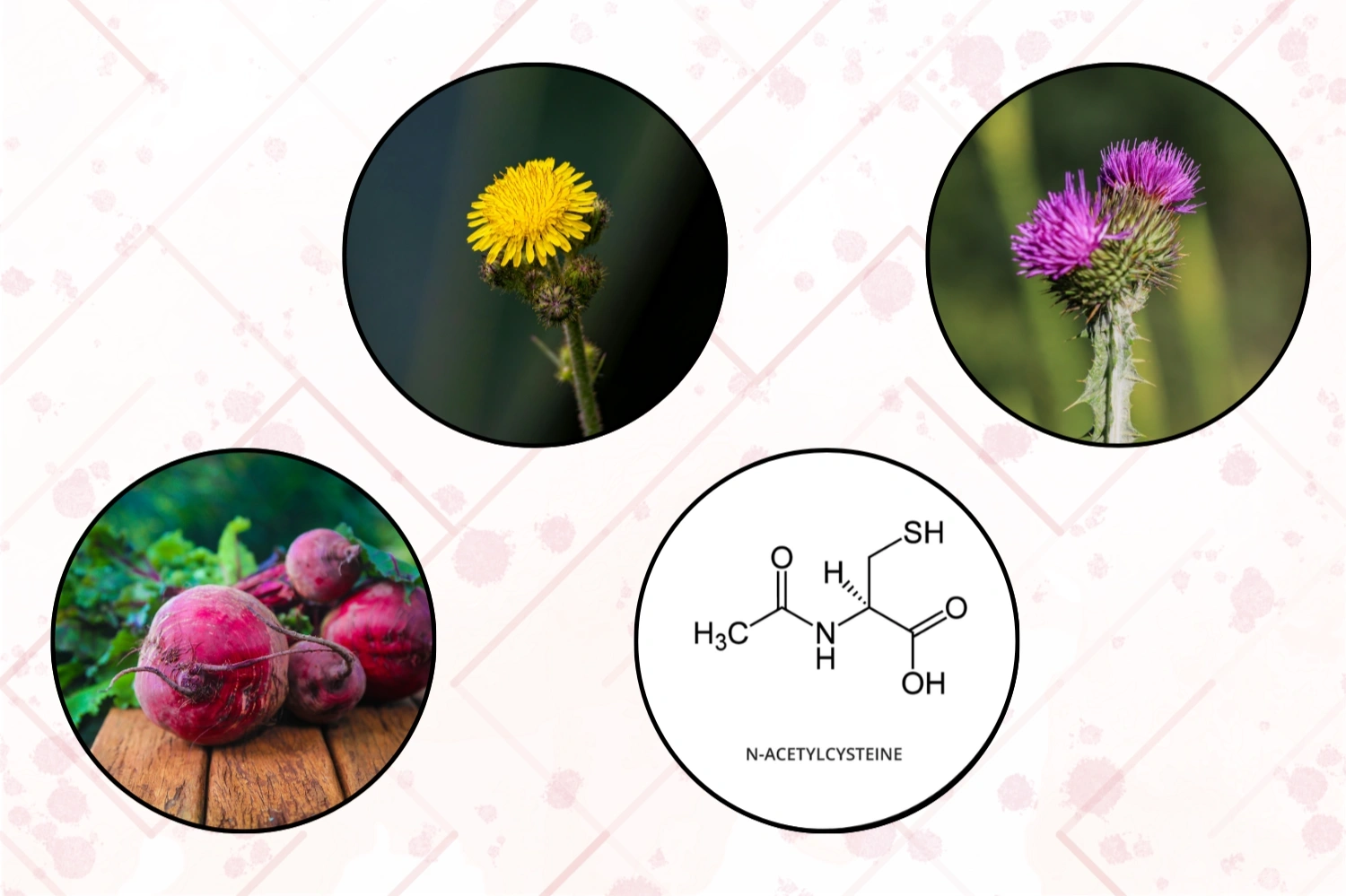
When diet and lifestyle form the foundation, targeted supplementation can meaningfully accelerate liver recovery especially when years of strain have accumulated. The most evidence-supported liver supplements are:
Milk Thistle (Silymarin) the most researched liver supplement in the world. Its active compound, silymarin, protects liver cells from damage, reduces inflammation, and actively supports cell regeneration. Research confirms it measurably lowers elevated liver enzyme levels, a direct marker of liver stress. It is safe for long-term use.
N-Acetyl Cysteine (NAC) the precursor your body uses to produce glutathione, the liver's primary internal antioxidant and self-cleaning compound. Research published in the National Library of Medicine shows that NAC supplementation over several months leads to significant reductions in liver enzyme levels and improved markers of liver function. It is so effective that it is used in hospitals as the standard emergency treatment for acetaminophen overdose.
Beetroot Extract rich in betalains, compounds that reduce liver inflammation and oxidative stress. Beetroot also supports healthy bile production and blood flow through the liver.
Dandelion Root supports bile production and flow, aids digestion, and helps the liver eliminate waste more efficiently. Particularly useful before meals.
Research published in the National Library of Medicine found that combining Milk Thistle and NAC produced a synergistic protective effect on liver cells each amplifying the other's benefit. This combination is more effective together than either ingredient alone.
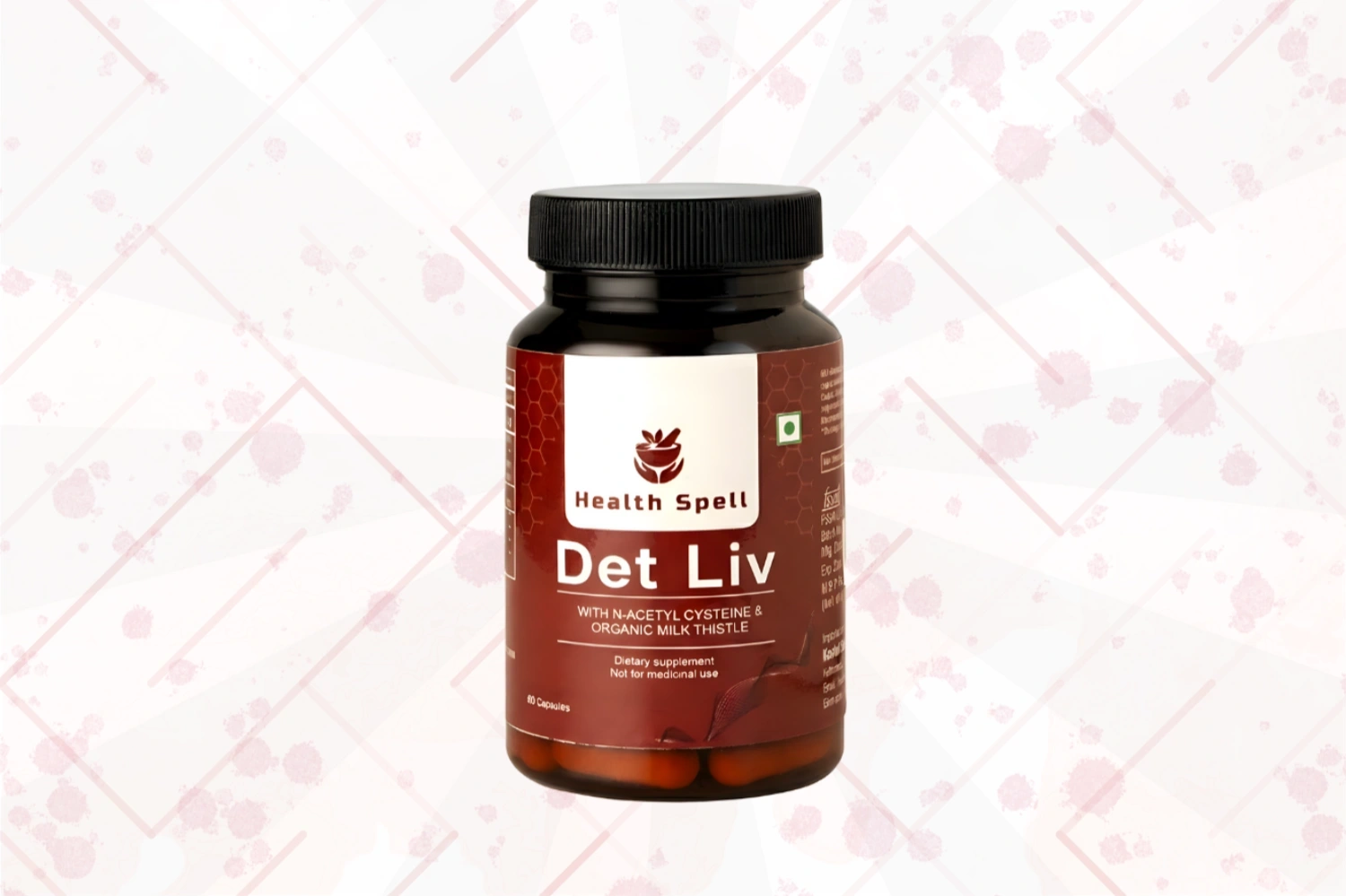
Det Liv by Health Spell Nepal:
Liver Support Built Around What Works
If you are looking for a clean, well-formulated liver supplement that brings these four key ingredients together in one daily capsule, Det Liv is Health Spell Nepal's answer. Det Liv contains Milk Thistle, NAC, Beetroot, and Dandelion, the four most evidence-supported natural ingredients for liver health. No synthetic fillers. No unnecessary additives. Just clean, purposeful ingredients formulated for the people of Nepal.
How to use Det Liv: Take 1 capsule after breakfast and 1 capsule after lunch 2 capsules per day. For the best results, use consistently for 3 months.
Why 3 months? Because that is the timeline research consistently shows for meaningful, measurable liver recovery. Quick fixes do not restore an organ that has been under stress for years. Consistent support does.
Practical Tips for Lasting Liver Health
Once you begin supporting your liver through diet, habits, and supplementation here is how to make those results last:
Keep cruciferous vegetables in your regular meals (broccoli, cauliflower, cabbage) at least three to five times per week. These activate the liver's Phase II detoxification enzymes, which clear the most dangerous toxic by-products.
Continue Milk Thistle supplementation long-term. The research supports ongoing use with no safety concerns, and the hepatoprotective effect continues as long as you take it.
Give yourself two alcohol-free days per week minimum. This gives the liver genuine recovery time between processing episodes.
Limit added sugar on an ongoing basis especially fructose from sodas, juices, and packaged sweets. Reducing these alone can produce visible reduction in liver fat within four weeks of consistent change.
A focused annual reset of one or two periods per year of cleaner eating, increased hydration, and consistent supplementation help prevent the gradual accumulation of liver burden that eventually produces symptoms.
Frequently Asked Questions
Your liver works every single hour of every single day silently, without complaint, without ever asking for recognition. It filters what you eat, what you drink, what you breathe, and what you feel. And for most people, it does this incredibly well for a very long time. But eventually, under the sustained weight of processed food, alcohol, stress, environmental chemicals, and poor sleep it starts to struggle. And the signals it sends are easy to miss if you do not know what to look for. Fatigue that sleep cannot fix. A belly that bloats at the smallest provocation. Skin that keeps reacting. A mind that cannot quite focus. Hormones that feel off. These are not separate problems. They may all be sharing one root. Recognizing the signs is the first step. Acting on them consistently, not dramatically is what actually produces change.
Start with food. Add movement. Improve your sleep. Reduce the alcohol. And if you want meaningful additional support, Det Liv by Health Spell Nepal brings together the four most evidence-backed liver ingredients Milk Thistle, NAC, Beetroot, and Dandelion in one clean, daily capsule.
Your liver has been taking care of you. It is time to return the favour. 👉Get Det Liv — NPR 2,400 | Health Spell Nepal
Disclaimer: Health Spell Nepal products are dietary supplements intended to support overall well-being. They are not intended to diagnose, treat, cure, or prevent any medical condition. Individual results may vary. Please consult a qualified healthcare professional before starting any new supplement routine, especially if you are pregnant, breastfeeding, or managing a medical condition.
References
APL Bioengineering — Emerging trends in modeling human liver disease in vitro: https://pmc.ncbi.nlm.nih.gov/articles/PMC6930139/
World Journal of Gastroenterology — Importance of fatigue and its measurement in chronic liver disease: https://pmc.ncbi.nlm.nih.gov/articles/PMC6676553/
Frontiers — Gut Dysfunction and Non-alcoholic Fatty Liver Disease: https://pmc.ncbi.nlm.nih.gov/articles/PMC6742694/
Journal of Clinical and Experimental Hepatology — Skin Changes in Cirrhosis: https://pmc.ncbi.nlm.nih.gov/articles/PMC9257870/
World Journal of Gastroenterology — Endocrine causes of nonalcoholic fatty liver disease: https://pmc.ncbi.nlm.nih.gov/articles/PMC4607905/
National Library of Medicine — Stress-induced liver injury mechanisms: https://pmc.ncbi.nlm.nih.gov/articles/PMC6422711/
National Library of Medicine — Silymarin and N-acetylcysteine liver protection: https://pubmed.ncbi.nlm.nih.gov/37860953/
National Library of Medicine — NAC Improves Liver Function in Non-Alcoholic Fatty Liver Disease: https://pmc.ncbi.nlm.nih.gov/articles/PMC3270338/